
Guides
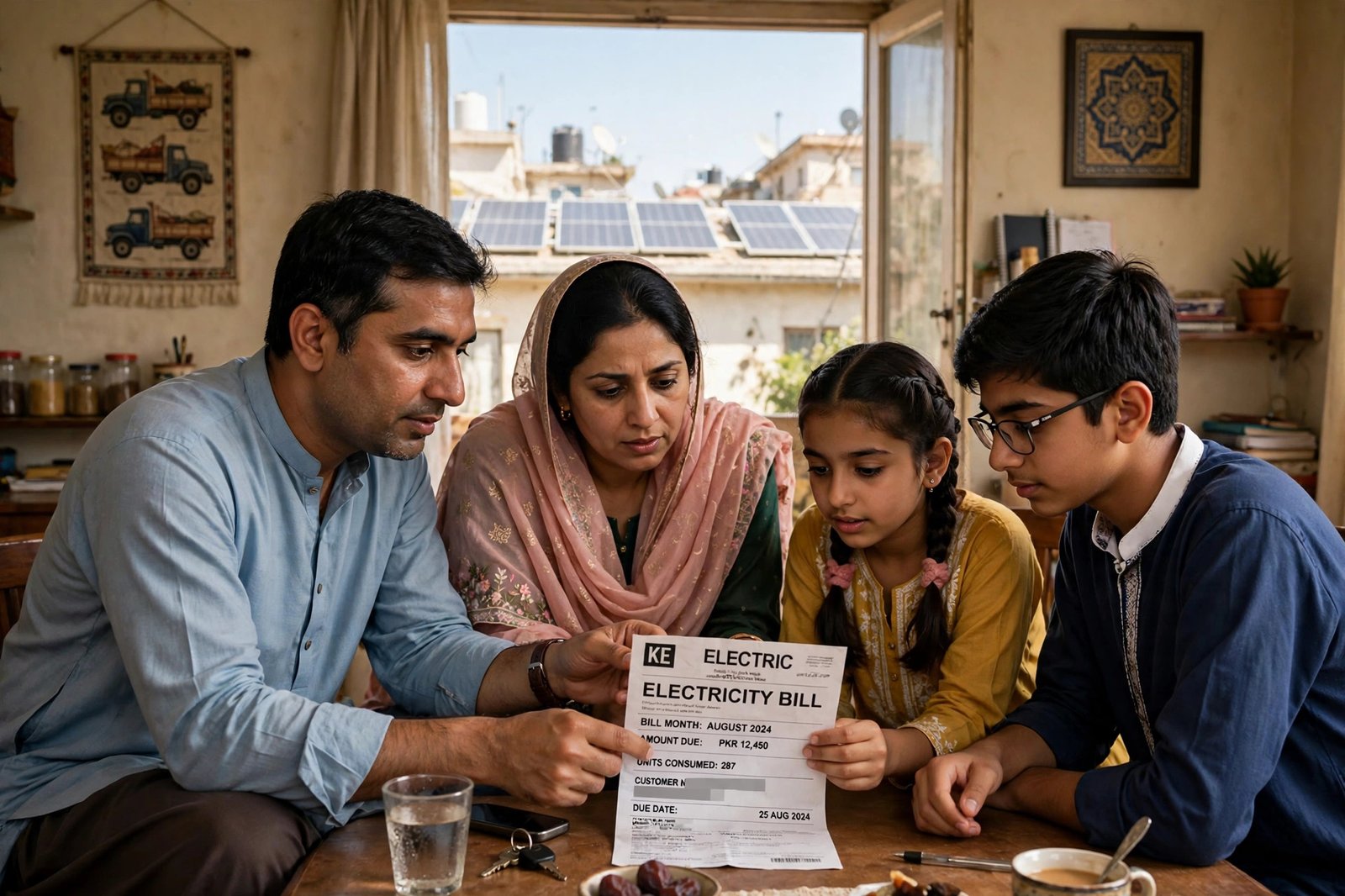
How to Choose the Right Solar System Size for Your Rawalpindi Home
A simple way to size a system from your monthly units and your real load, without over spending on panels you do not need.
Read article →Clouds and short winter days do reduce generation, but not by as much as most people fear. Realistic twin cities numbers, month by month.
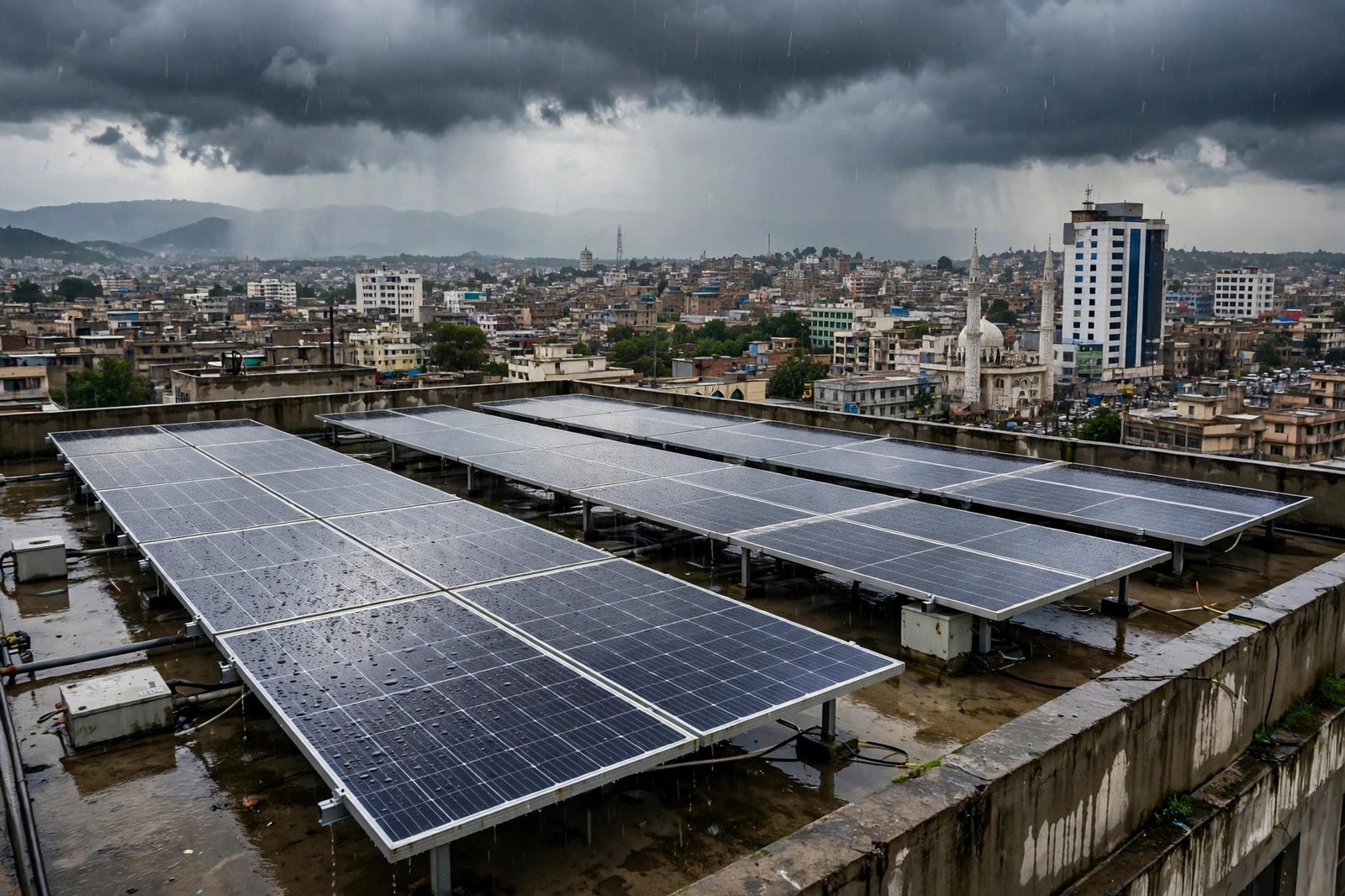
Short December and January days in the twin cities cut generation, often to around 60 to 70 percent of a peak summer month for the same system. Cold panels actually work efficiently, it is the short day and low sun angle that cost you, not the temperature.
Heavy monsoon weeks dip generation on cloudy days, then bright days between rains bounce back strongly, and the rain itself washes dust off for free. Across the whole season, most well sized systems still cover the load they were designed for.
This is why honest sizing uses a yearly average of about 130 units per kW per month, not the best summer month a sales person quotes. Judge any quote by its yearly numbers, and judge your own system the same way.
Want this worked out for your own roof and bill? Send us a photo of your latest IESCO bill on WhatsApp and we will reply with an honest system size and a written quote.
A simple way to size a system from your monthly units and your real load, without over spending on panels you do not need.
Read article →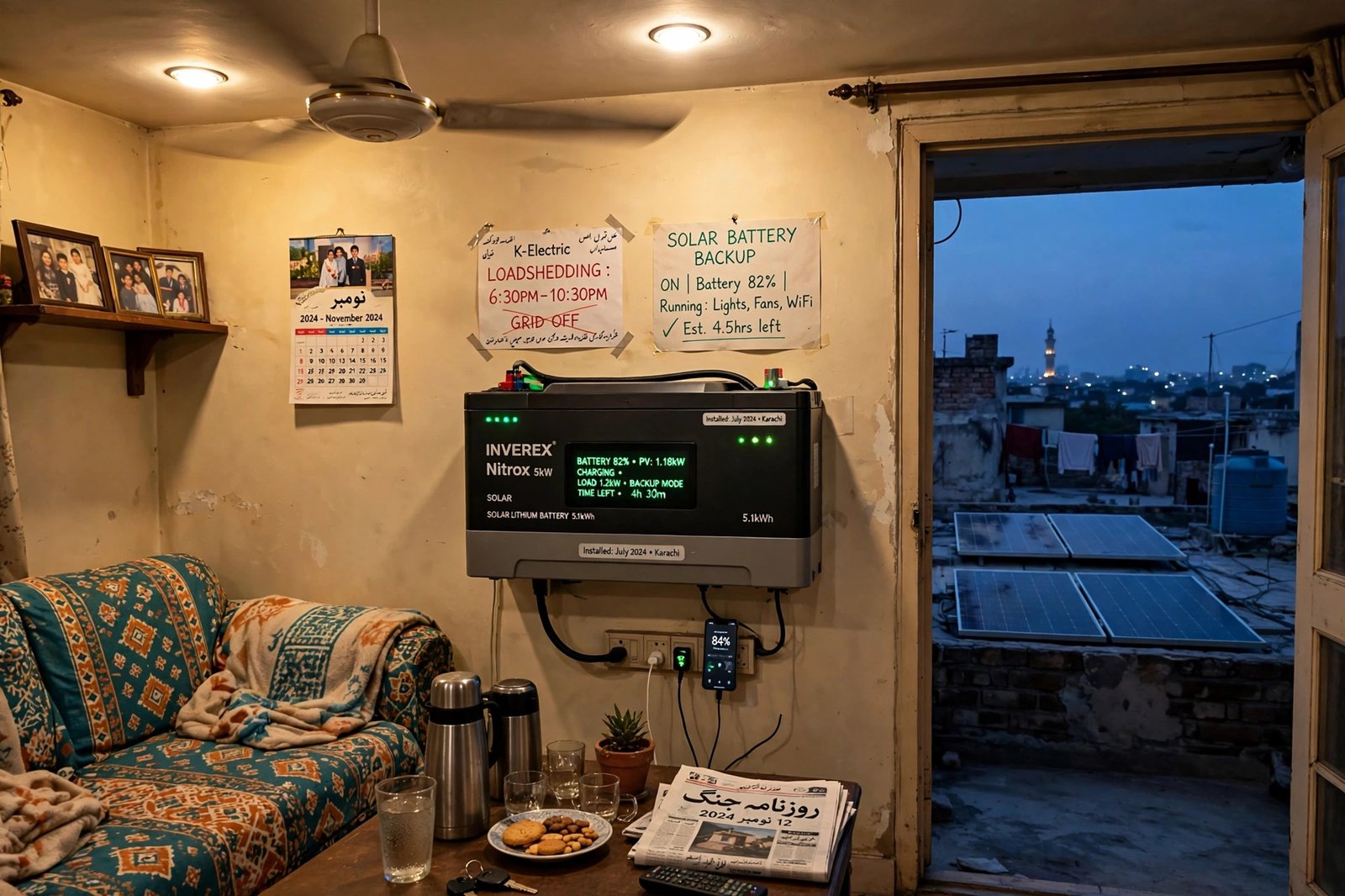
Load shedding hours decide this question more than price does. How to choose between a hybrid system with batteries and a cheaper on-grid system.
Read article →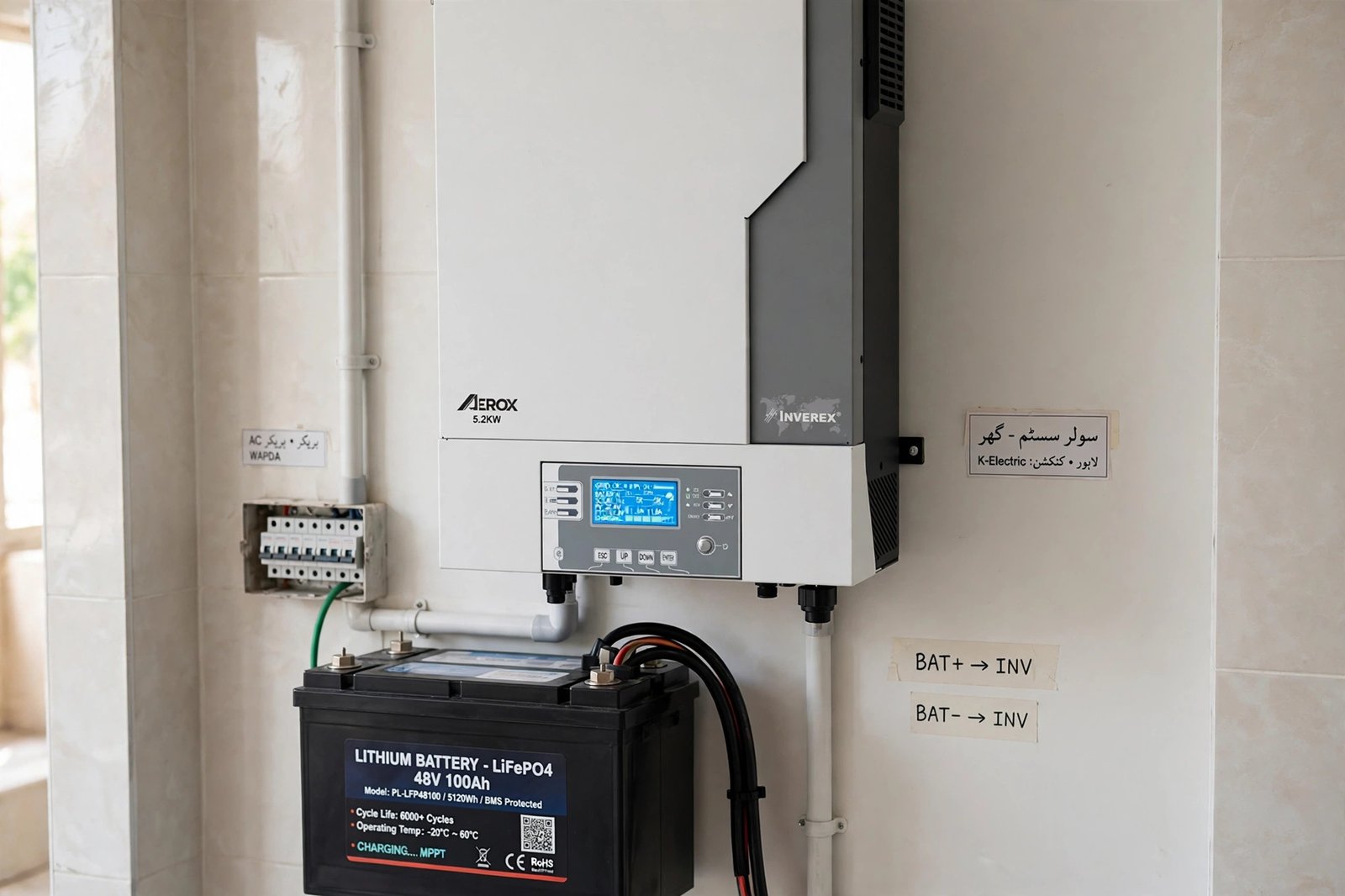
Charging settings, load habits and the small monthly checks that add years to battery life in Pakistani homes.
Read article →